

If you’ve been hearing that venture capital is making a comeback, you’re only hearing part of the story.
At first glance, global investment appears stronger than ever. Total quarterly venture funding has grown significantly since 2023. But a closer look reveals a very different reality: most of that growth is flowing into a tiny number of already successful companies.
For early-stage founders, raising capital has become more difficult—not easier.
Startup Funding Has Been Cut Nearly in Half
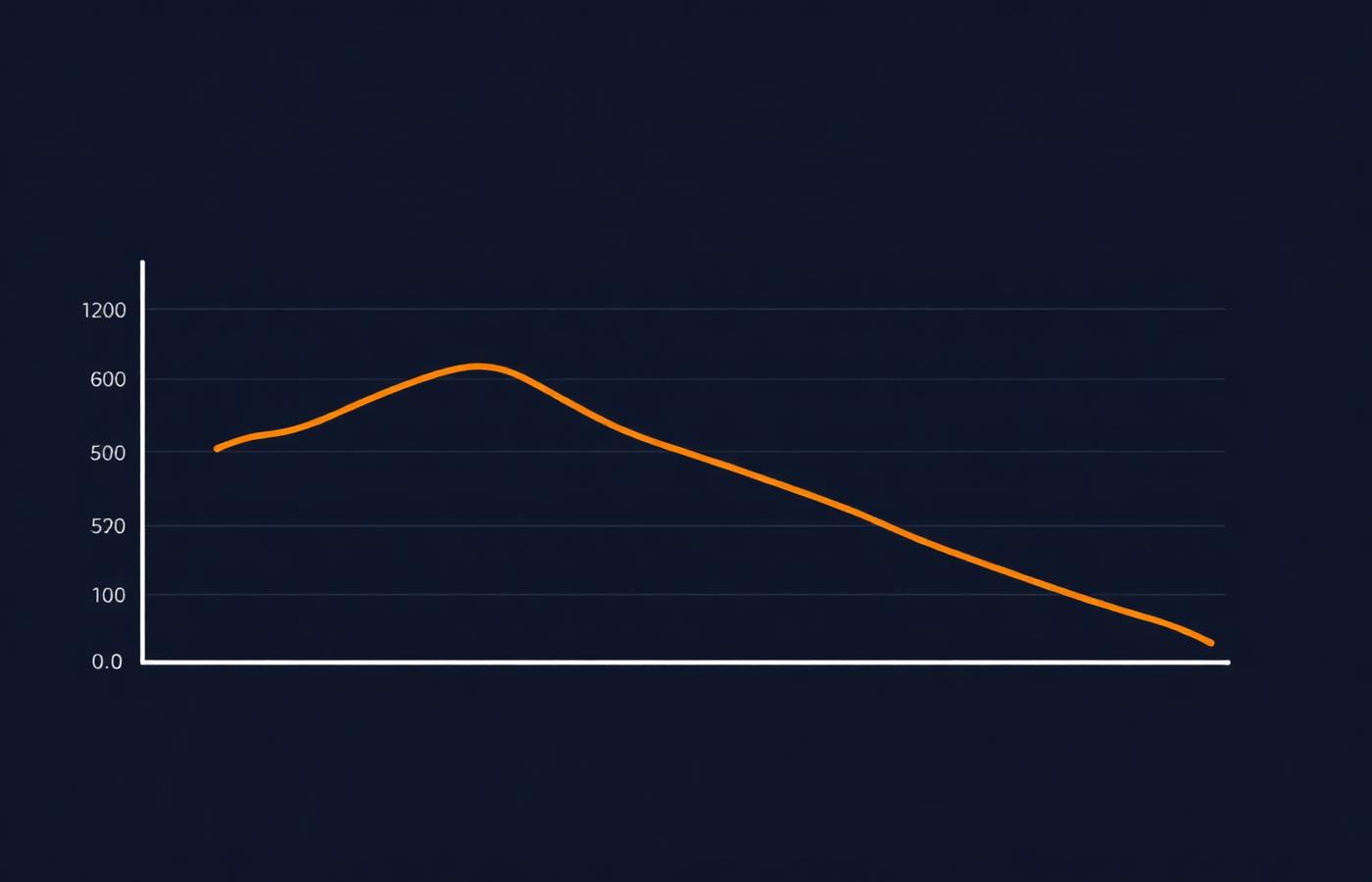
Funding across Pre-Seed, Seed, and Series A reached nearly $19 billion per quarter in early 2023. Since then, it has steadily declined to around $10 billion per quarter by Q2 2026.
This wasn’t caused by a sudden market crash. Instead, it has been a slow and continuous reduction over more than three years.
For founders, this means:
- Fewer investors writing first institutional checks.
- More competition for every funding round.
- Higher expectations before investors are willing to commit capital.
Today’s startups must demonstrate stronger traction, clearer product-market fit, and measurable growth much earlier than companies did just a few years ago.
Breakout Companies Found Stability
Funding for Series B and Series C companies experienced an even sharper decline. After peaking at $53.1 billion in Q1 2023, investment dropped by nearly 50% before stabilizing around the low $30 billion range during 2025 and the first half of 2026.
This tells an important story. Investors haven’t stopped funding companies with real traction. Instead, they’re becoming far more selective about which startups make it to this stage.
Companies that successfully reach Series B and C are still attracting capital—but earning that opportunity has become significantly harder.
Mega-Rounds Are Dominating Venture Capital
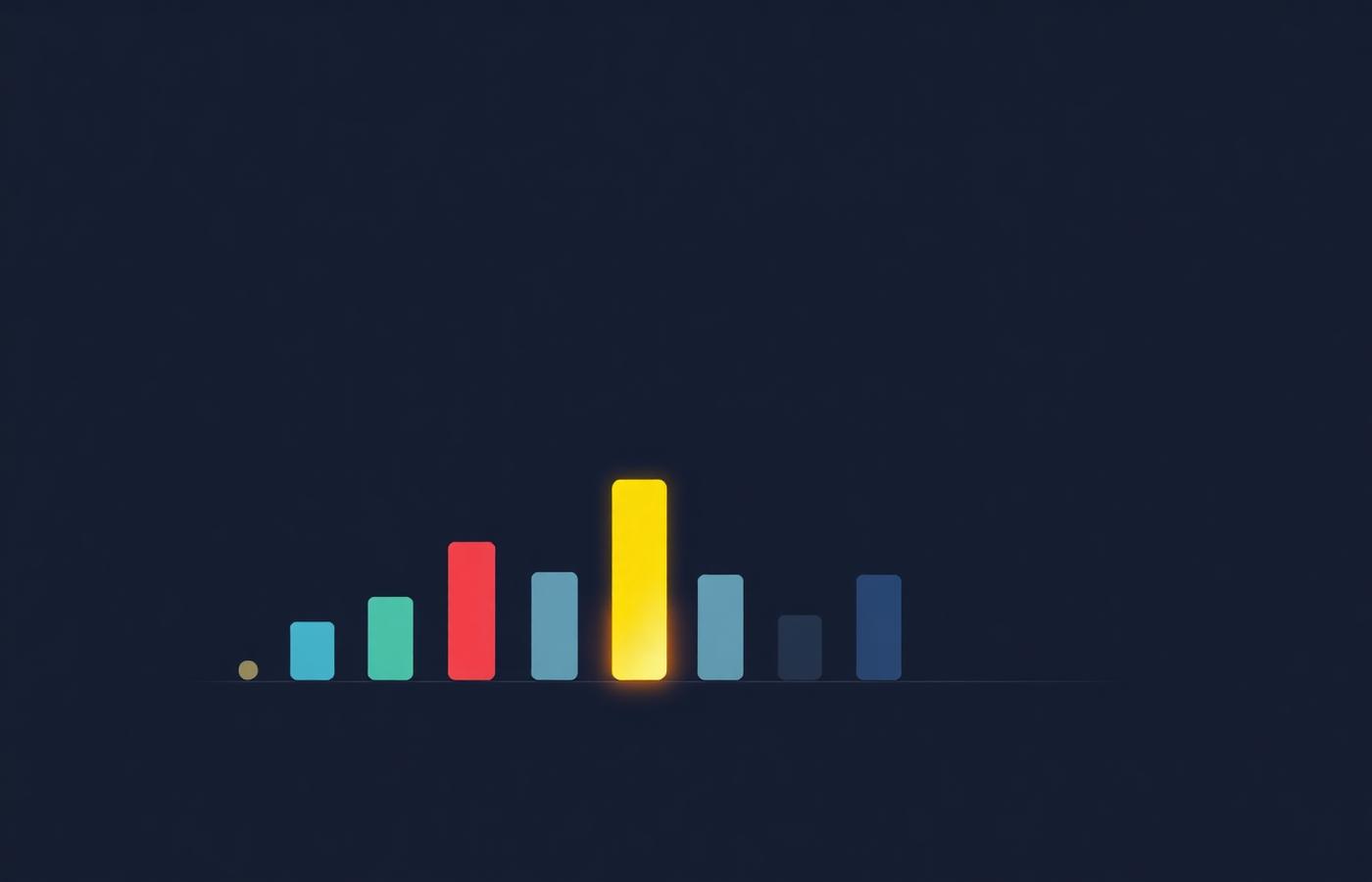
The biggest change happened at the top of the market. Funding rounds larger than $100 million remained relatively stable throughout 2023 and much of 2024. Then everything changed.
Beginning in 2025, mega-round funding accelerated rapidly. By Q1 2026, companies raised approximately $272 billion in mega-round investments during a single quarter—the highest figure in the dataset.
Even after cooling slightly, Q2 2026 remained close to $190 billion, several times higher than just two years earlier. Most of this growth came from $250 million+ rounds, showing that investors are concentrating enormous amounts of capital into a small number of market leaders.
Venture Capital Is Becoming More Concentrated
Looking across every funding stage reveals the broader trend. Early-stage funding lost roughly $9 billion per quarter since its peak. Meanwhile, scale-up funding gained nearly $200 billion per quarter.
In early 2023, late-stage funding was roughly 4× larger than startup funding. By early 2026, it had grown to nearly 27× larger.
Although total venture investment has roughly doubled over this period, almost all of that increase came from mega-rounds—not from more startups receiving funding. The market isn’t expanding evenly. It’s concentrating.
What This Means for Founders
This is no longer a market where simply having a good idea is enough. Investors expect stronger evidence before writing their first check.
Founders should focus on:
- Demonstrating real customer demand.
- Achieving measurable product-market fit.
- Building consistent growth metrics.
- Showing efficient capital usage.
- Creating a clear path toward scalability.
The companies that succeed today are often proving far more before fundraising than startups needed to in previous funding cycles.
ProductBlaze Insight
Funding is becoming increasingly selective. The companies that consistently attract investors are the ones that deeply understand their market, continuously improve their product, and make decisions based on data—not assumptions.
At ProductBlaze, we believe founders shouldn’t wait until fundraising to discover what’s missing. By continuously analyzing your product, competitors, positioning, and growth signals, ProductBlaze helps founders identify weaknesses early, prioritize improvements, and build the traction investors increasingly expect.
As venture capital becomes more concentrated, execution becomes your biggest competitive advantage. The founders who understand their business best will have the greatest chance of joining the small group of companies still attracting meaningful investment.